Arborist services · Tree health & risk

Arborist Services in Columbia, SC

  • Free written estimates
  • Photo quotes from your phone

Updated

Arborist kneeling at the base of a large oak, sounding the trunk with a mallet
The short answer

An arborist visit in Columbia, SC checks whether a tree is healthy and safe: decay, cracks, root problems, pine beetles, hypoxylon canker and storm risk. You get a clear recommendation (keep, prune, cable or remove) and, when needed, a written report for an HOA, insurer or home sale. Send photos to start.

  • What you getA clear verdictKeep, prune, cable or remove
  • Common findsDecay & beetlesWater oaks and stressed pines
  • ReportsOn requestHOAs, insurers, home sales
  • State licenseNone in SCISA certification is voluntary
Signs

When to ask an arborist to look at a tree

Most tree questions start with a photo. These are the ones worth a closer look in person.

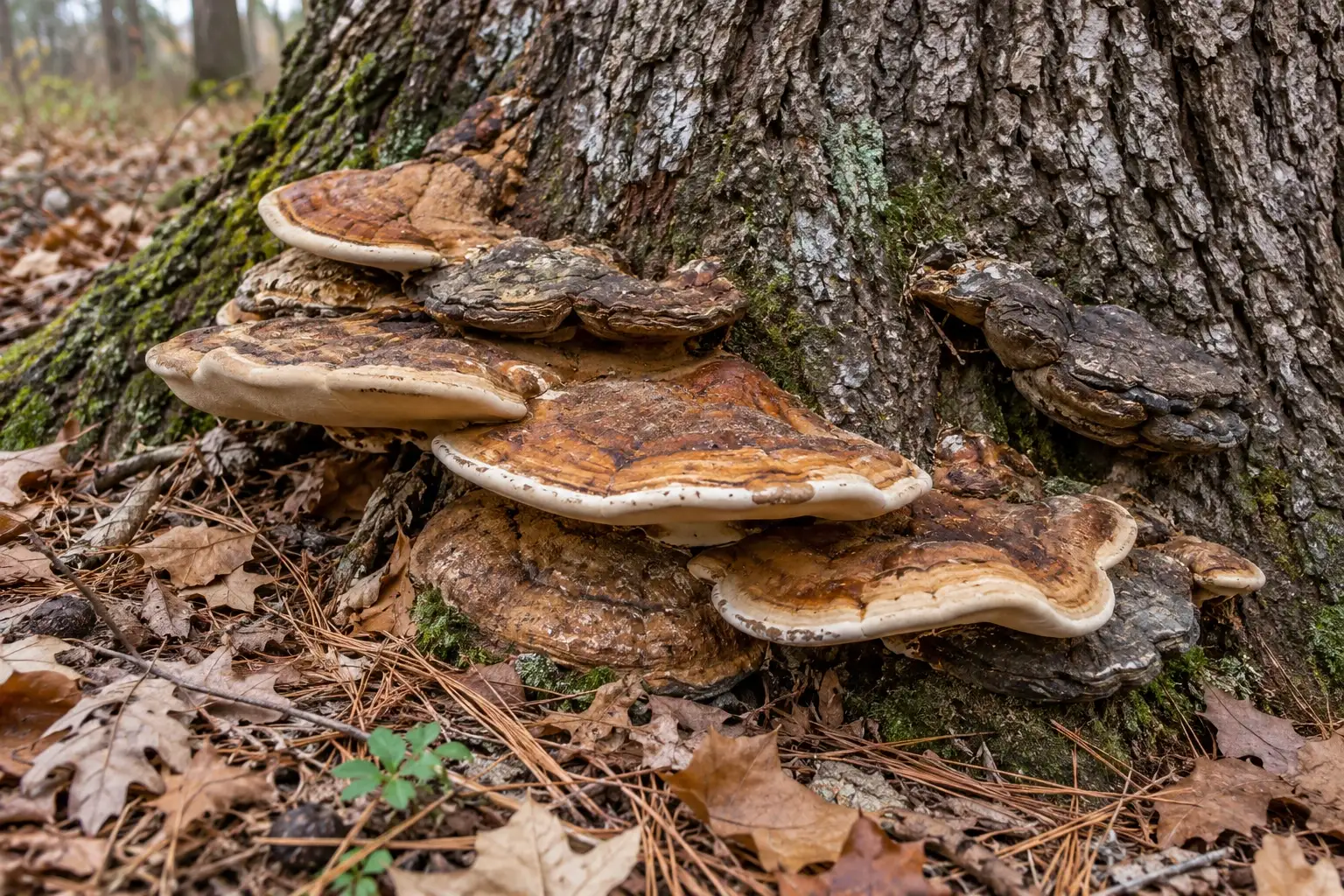
  • Mushrooms or conks at the base

    Shelf-like fungi on the trunk or root flare usually mean decay inside. How much matters, and that needs a closer look.

  • A big tree over the house that worries you

    Large oaks and pines over bedrooms are worth a risk check before storm season, especially water oaks over 40 years old.

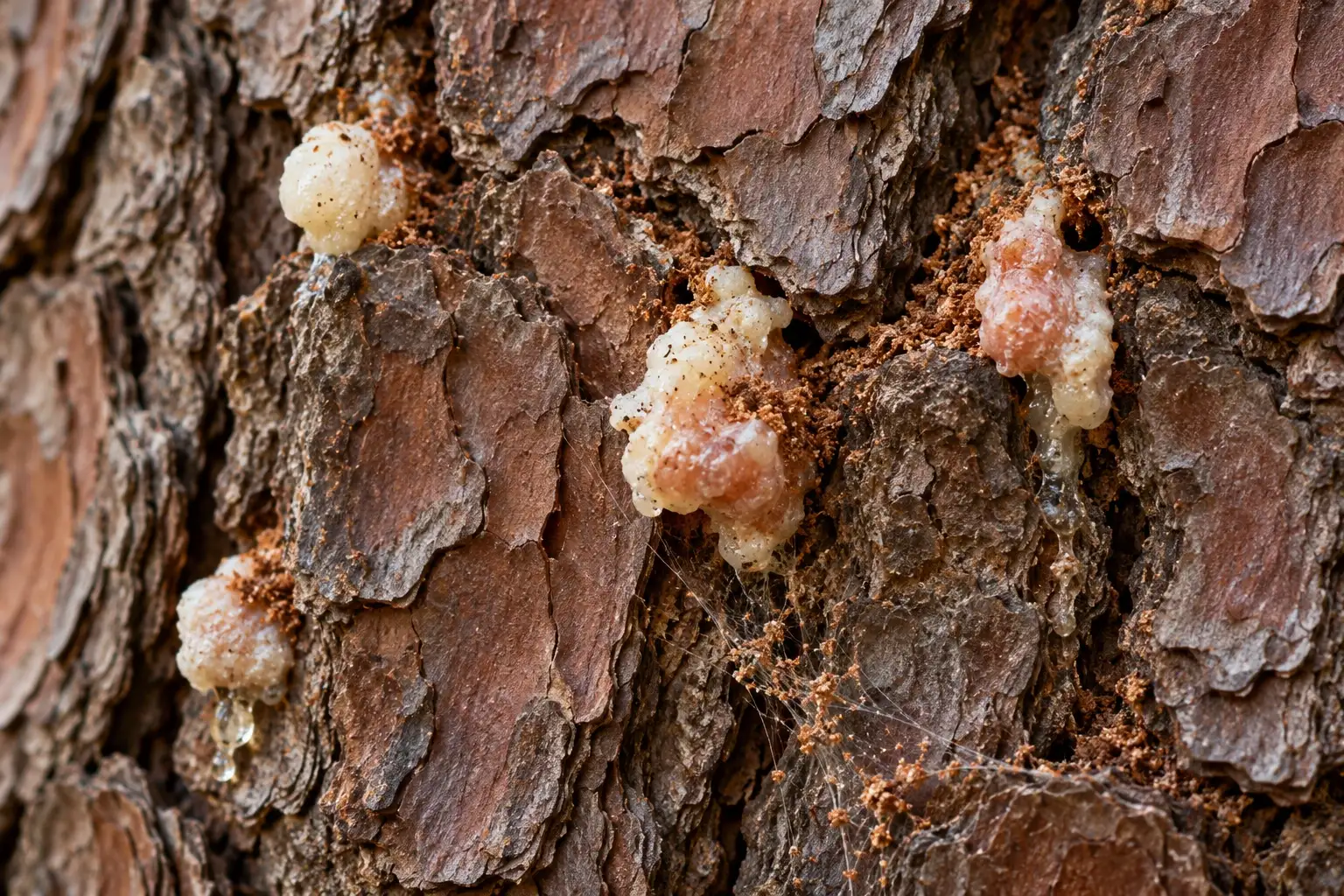
  • Pines with pitch tubes or browning crowns

    Pine bark beetles move fast in summer. Early diagnosis decides whether neighboring pines can be protected.

  • Peeling bark and black crust on oaks

    Hypoxylon canker shows up as patches of bark falling away to reveal a crusty, tan to black layer on stressed oaks.

  • Construction near a tree you want to keep

    Trenching, grading and driveways within the root zone kill trees years later. A plan before digging saves them.

  • An HOA, insurer or buyer is asking

    Sometimes you need a written opinion, not a sales pitch, to settle whether a tree must go.

Bracket fungi growing at the root flare of an oak, a sign of internal decay
Bracket fungi at the root flare of an oak usually point to decay in the roots or lower trunk.
Close-up of pitch tubes on pine bark, a sign of bark beetle attack
Pitch tubes, small blobs of resin on pine bark, are a sign of bark beetle attack.
How it's done

What a tree assessment includes

A risk assessment looks at three things: how likely the tree is to fail, what it would hit, and what can be done about it.

  1. Ask about history

    Age of the house, recent construction or grading, storm damage, past pruning and what you have noticed.

  2. Look from a distance

    Crown density and color, lean, dead wood, the shape of the trunk and how the tree sits relative to the house and targets.

  3. Inspect up close

    Root flare, trunk and major unions: cracks, cavities, fungi, included bark, soil heaving. The trunk may be sounded with a mallet to find hollow areas.

  4. Diagnose pests and disease

    Pine beetle signs, hypoxylon canker, root rot, Leyland cypress canker and other common Midlands problems.

  5. Recommend and, if asked, report

    A plain recommendation, with options: monitor, prune, cable, treat or remove. A written report with photos is available for HOAs, insurers or sales.

What an arborist does that a tree crew might not

Most tree companies are very good at taking trees down. An arborist’s job is to decide whether they should come down at all. That means understanding how trees grow, fail and defend themselves, and being willing to say “keep it” when keeping it is right.

In practice, the most valuable arborist visits around Columbia answer one of these questions:

  • Is this big tree over the house safe to keep through another storm season?
  • Why are my pines dying, and can I stop it spreading?
  • Can this tree survive the construction we are about to do?
  • What does the HOA, insurer or buyer need in writing?

South Carolina has no state arborist license. Certification by the International Society of Arboriculture (ISA) is voluntary and shows training and testing in tree biology, pruning and risk. Ask any arborist what credentials they hold, and ask to see them.

Common tree problems in the Midlands

Pine bark beetles. Southern pine beetles, Ips engraver beetles and black turpentine beetles all attack loblolly and other pines around Columbia. Southern pine beetles can produce four to six generations a year in South Carolina, and high populations can overwhelm even healthy pines (Clemson HGIC). Signs include pitch tubes on the bark, reddish boring dust in bark crevices and crowns that fade from yellow-green to red-brown. Prompt removal of infested pines is the main control. See pine beetles in Columbia.

Hypoxylon canker on oaks. A fungus that lives in many oaks and takes over when the tree is badly stressed by drought, root damage or construction. Bark sloughs off in patches to reveal a crusty tan, grey or black layer. By the time it is visible, the tree is usually declining fast and the wood beneath can become brittle (Clemson HGIC).

Heart rot in water oaks. Water oaks grow fast and age early. Older trees often carry decay in the trunk and major limbs behind a healthy-looking crown. Conks at the base, cavities and dead limbs in the upper crown are clues.

Leyland cypress canker. Leyland cypress, planted as quick privacy screens across Midlands subdivisions, often suffers from canker diseases in hot, humid summers, especially when crowded or drought-stressed. Brown, dying sections appear branch by branch.

Root damage from construction. Trenching for utilities, new driveways and grading within a tree’s root zone can kill it two to five years later. A tree protection plan before construction is far cheaper than removing a dead tree after.

Tree risk assessment for storm season

Hurricane season starts June 1. A spring risk check on the large trees near your house is the best value in tree care: it tells you what to deal with now, at normal prices, rather than in an emergency. A good assessment looks at:

  • the target: what the tree would hit, and how often people are there;
  • defects: decay, cracks, weak unions, dead limbs, root problems, lean;
  • site conditions: saturated clay north of the Fall Line, drought-prone sand south of it, recent construction;
  • options: monitor, prune, cable, or remove.

Written reports for HOAs, insurers and home sales

Sometimes the question is not just “should this tree come down” but “can you put that in writing”. Common cases around Columbia:

  • HOAs that require approval before removing a tree, especially in newer Lexington and Northeast Columbia subdivisions;
  • Forest Acres permit applications, where a governed tree needs city approval and the work must be done by a contractor licensed with the city (City of Forest Acres);
  • insurers asking you to deal with an overhanging tree before renewing a policy;
  • home sales, where a buyer’s inspector flagged a tree.

A report describes the tree, its condition, the risk and the recommendation, with photos.

Pesticides and treatment

Some tree problems can be treated with insecticides, fungicides or fertilizer, but many cannot. In South Carolina, commercial pesticide application is regulated by the Clemson University Department of Pesticide Regulation, and anyone applying pesticides as a business needs the right license. If a treatment is recommended, ask who will apply it and what license they hold.
Before the crew arrives

How to get ready for the work day

  • Note when you first noticed the problem and any recent changes, such as a new lean or cracking sounds.

  • Find any paperwork about the tree: HOA letters, a home inspection note or an insurer's request.

  • Clear access to the base of the tree if it is surrounded by shrubs.

  • Take photos of the tree in leaf if the visit is in winter.

  • Tell the arborist about any recent construction, trenching or grading nearby.

Arborist Services questions

Is my tree safe?

It depends on three things: whether parts of the tree have defects that make failure likely, what is underneath, and the conditions it faces, such as wind and saturated soil. A big oak with decay over open lawn is a different risk from the same oak over a bedroom. A tree risk assessment weighs all three.

What does a tree assessment include?

A history of the tree and site, a look at the crown and lean from a distance, a close inspection of the root flare, trunk and major unions, sounding for hollow areas, and a check for pests and disease. You get a recommendation and, on request, a written report with photos.

Can a sick tree be saved?

Often, if the cause is found early. Stress from drought, compacted soil or construction can be eased with watering, mulching and careful pruning. Advanced decay, heavy beetle infestation in pines and hypoxylon canker on badly stressed oaks usually cannot be reversed, and removal is the safer choice.

Do I need an arborist report for my HOA?

Many HOAs in the Midlands require approval before a tree is removed, and some ask for a professional opinion. A written report describing the tree's condition, with photos and a recommendation, usually satisfies them. Check your covenants for the exact requirement.

Does South Carolina license arborists?

South Carolina has no state arborist license. ISA certification is voluntary and shows training and testing in tree care. Applying pesticides commercially is a separate matter regulated by the Clemson University Department of Pesticide Regulation.

Why are the oaks in my yard losing bark in patches?

Patches of bark falling away to reveal a crusty tan, grey or black layer on a stressed oak often point to hypoxylon canker, a fungus that takes hold when trees are weakened by drought, root damage or construction. By the time it shows, the tree is usually in serious decline and can become hazardous.

Who can check whether a big water oak over my house in West Columbia is safe before hurricane season?

Send photos of the whole tree, its base and the house through the free estimate form and ask for an assessment. Water oaks often carry decay behind healthy leaves, so look closely at the base and major unions. The visit ends with a clear recommendation.

Free estimates · Columbia, SC

Get a clear, written price for your trees

Send two or three photos and your ZIP code. You'll hear back within one business day with a written estimate: what will be done, how it will be done, and what it costs.

Call now Free estimate Text