What makes tree work in Irmo different
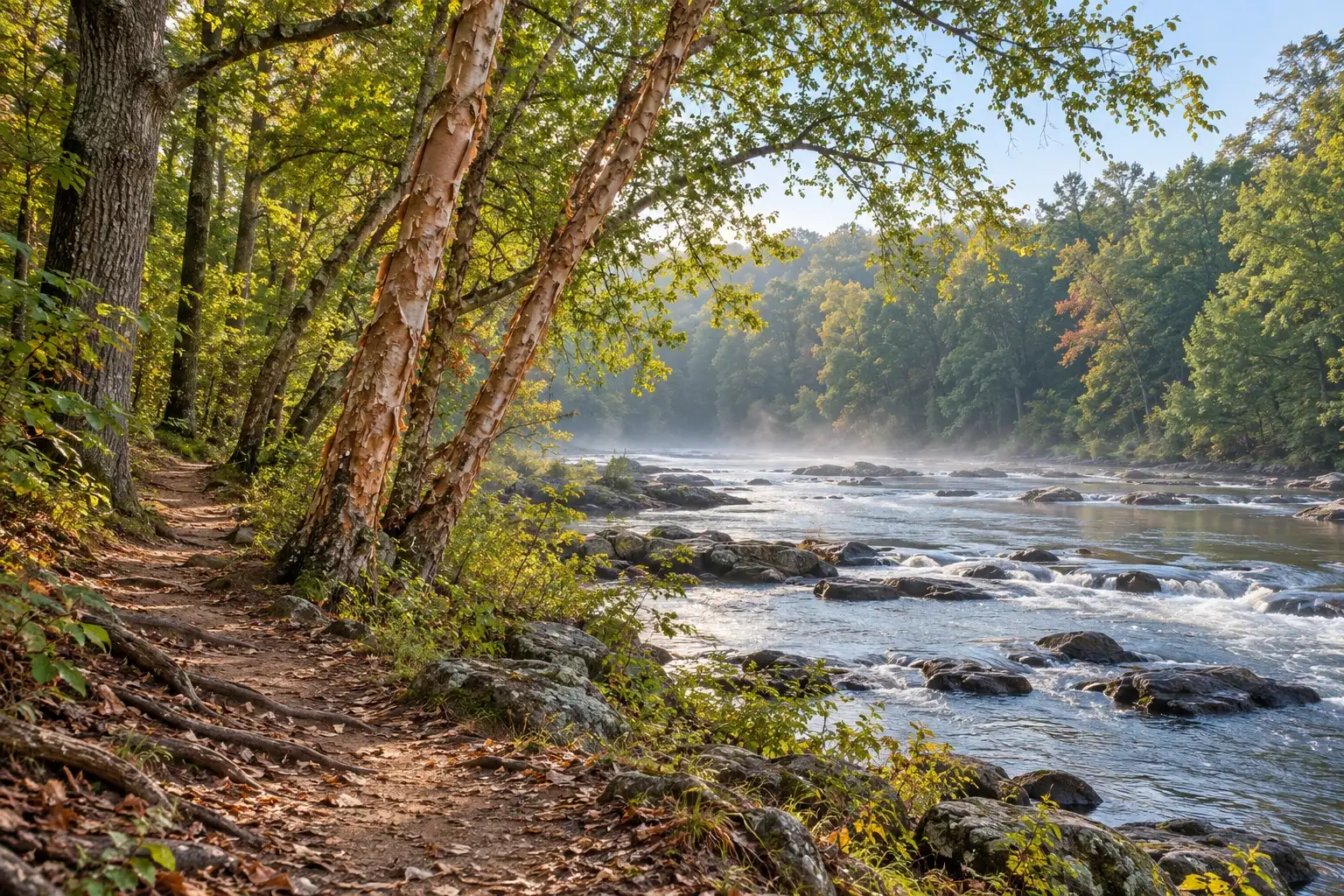
Irmo sits in the Dutch Fork, the wedge of land between the Broad and Saluda rivers north of Columbia, and it sits firmly on the Piedmont side of the Fall Line. That means red clay: dense, sticky and slow to drain. Lots roll and slope toward the Saluda River and Lake Murray, and many neighborhoods built from the 1980s through the 2000s, such as Friarsgate and Coldstream, kept big hardwoods and pines when the houses went in.
Three things follow from that ground.
Shallow roots. Trees on clay root wide and shallow, sitting on top of soil that holds water. After several days of rain, the clay goes slick and loses its grip. In a gusty storm, a willow oak or loblolly can tip over with its whole root plate lifting out of the ground. A tree that develops a new lean, with soil cracking or heaving on the far side, needs attention quickly.
Access. Wet clay ruts easily under heavy equipment, and Irmo’s slopes make it worse. Ground mats, tracked machines and sometimes a day’s wait for the ground to firm up are normal here. Backyards that drop away from the street sometimes make a crane the simplest way to get a tree out.
Stumps. Grinding stumps in red clay is slower than in sand. Clay packs into the grinder teeth, and there is occasional rock. Expect a little more time per stump, and ask for the grindings to be hauled if you plan to seed, because clay mixed with chips makes a poor seed bed.
Big hardwoods over 30-year-old houses
The trees that were saplings when Irmo’s neighborhoods were built are now mature: willow oaks, southern red oaks, tulip poplars and sweetgums 60 to 90 feet tall, with long limbs over roofs, decks and pools. The most common Irmo requests are:
- crown reduction and deadwooding to lighten limbs over decks and roofs;
- removing one tree of a crowded group so the others can grow;
- cabling co-dominant oaks worth keeping;
- removing trees damaged by past storms or construction.
Near the river and the dam
Irmo’s south and west edges run toward Saluda Shoals Park and the Lake Murray Dam. Lots near the river and lake are steep, wooded and sometimes wet at the bottom. Trees there lean toward the light over the water, and removals often need careful rigging to keep pieces out of the water and off docks. Lakefront land below the 360-foot contour is Dominion Energy project land, so cutting there needs Dominion Energy approval (Lake Murray permitting guidelines).
Local cost notes
Irmo jobs sit in the normal Columbia-area range, about $400 to $1,800 for most single tree removals. Slopes, wet clay, backyard access and big spreading hardwoods tend to push Irmo jobs toward the upper half. Stump grinding in clay can take longer than in sandy parts of the Midlands. The stump grinding cost guide explains how stumps are priced.