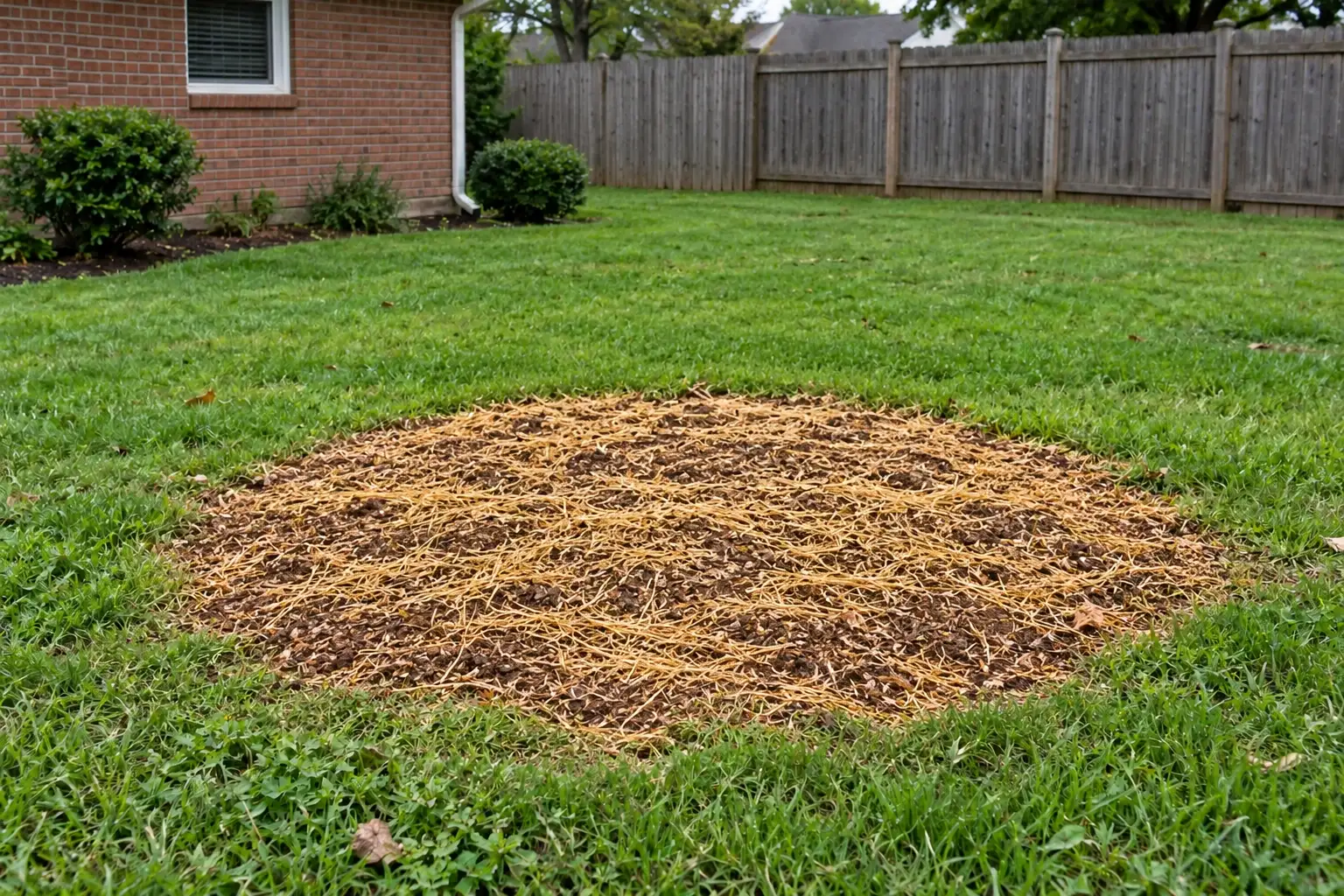
Stump grinding in Columbia’s red clay and sand
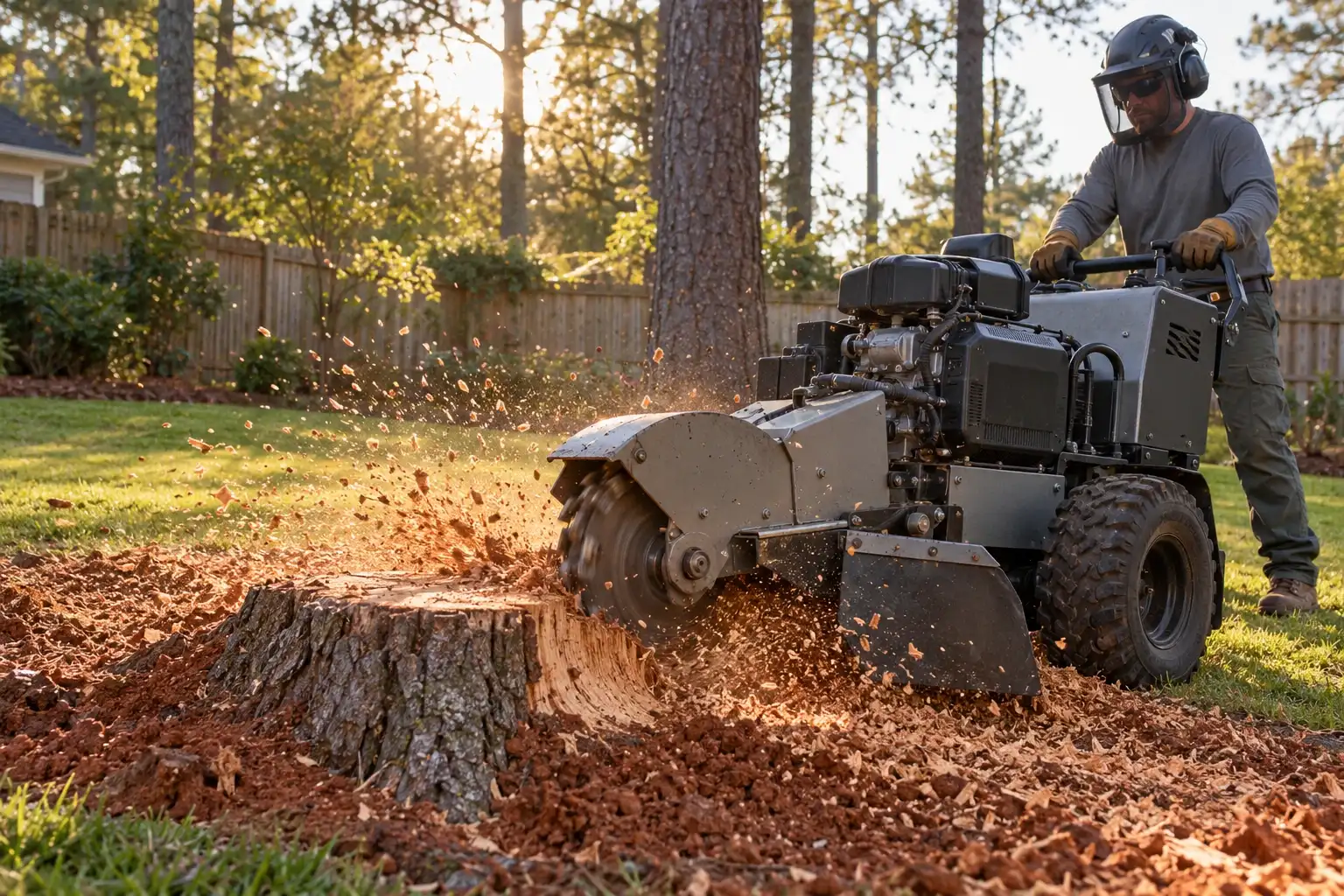
The Fall Line runs right through Columbia, and you can feel it in a stump grinder. North and west, in Irmo, Chapin, the Dutch Fork and Seven Oaks, stumps sit in heavy red Piedmont clay. Clay packs into the teeth, slows the wheel and sometimes hides rock. After rain, it turns slick, so heavier machines can rut a lawn. Expect a slightly longer grind, and a crew that brings mats.
South and east, in Cayce, Northeast Columbia, Elgin and Gilbert, stumps sit in Sandhills sand. The grinding goes fast, but sand dulls carbide teeth, and pine roots in sandy soil run a long way from the trunk looking for water. If you want a level lawn, ask how far surface roots will be chased.
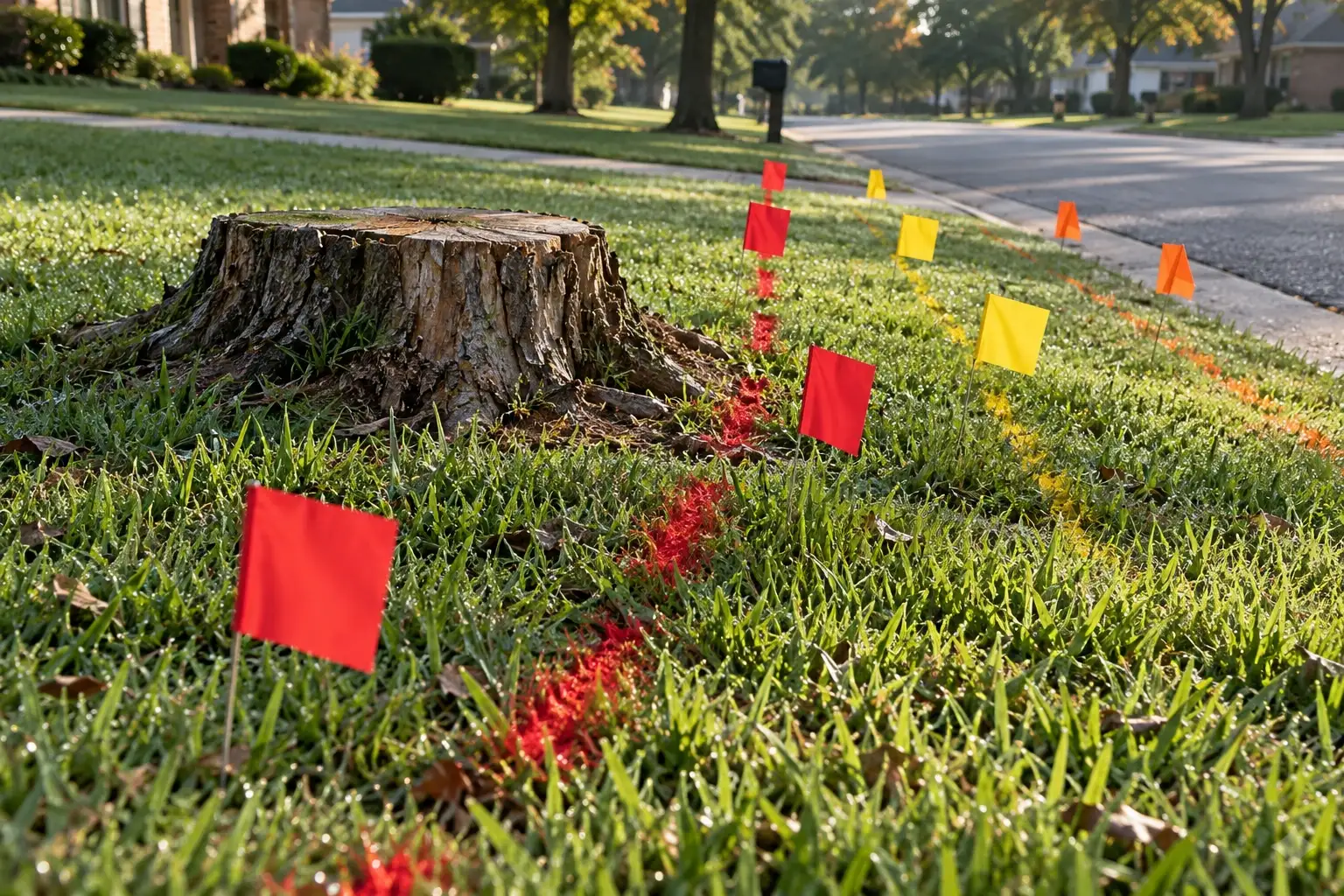
Call SC811 before any grinding
A grinder wheel goes well below the surface, and buried lines in Midlands yards are often shallower than people expect. Before any digging or grinding, SC811 is notified so utility owners mark their lines with paint and flags (SC811). The locate is free. It does not mark private lines, such as sprinkler systems, low-voltage lighting, invisible dog fences or a line to a detached garage, so point those out on the day.
Grinding vs full stump excavation
| Stump grinding | Stump excavation | |
|---|---|---|
| What happens | Stump and surface roots chewed to chips below grade | Stump and main roots dug out with an excavator |
| Hole left | Shallow, refilled with grindings | Large, needs fill dirt |
| Lawn damage | Minimal | Significant |
| Best for | Lawns, beds, new sod or seed | Footings, slabs, new construction |
| Cost | Lower | Higher |
For almost every homeowner, grinding is the right answer. Excavation makes sense when a new foundation, pool or slab is going exactly where the stump was.
Sweetgums, Bradford pears and stumps that fight back
Some trees do not give up when cut. Sweetgum is famous for root suckers that pop up across a lawn after the tree is gone. Bradford pear stumps resprout readily, which matters if you are removing them under Clemson’s Bradford pear bounty. Crape myrtles sucker from the base. Grinding these stumps deeper and grinding the main surface roots reduces sprouting. Any sprouts that do appear can be cut off as they show up, and they weaken over a season or two.
What stump grinding costs
In Columbia, stump removal averages about $309, with most jobs between $129 and $586 (HomeAdvisor). Nationally, LawnStarter reports an average of $272 per job and typical pricing of $2 to $5 per inch of diameter, with a minimum charge around $100. Each extra stump on the same visit costs much less than the first, about $37 to $70 more, and hauling away the grindings adds roughly $2 to $3 per diameter inch (LawnStarter, October 2026).
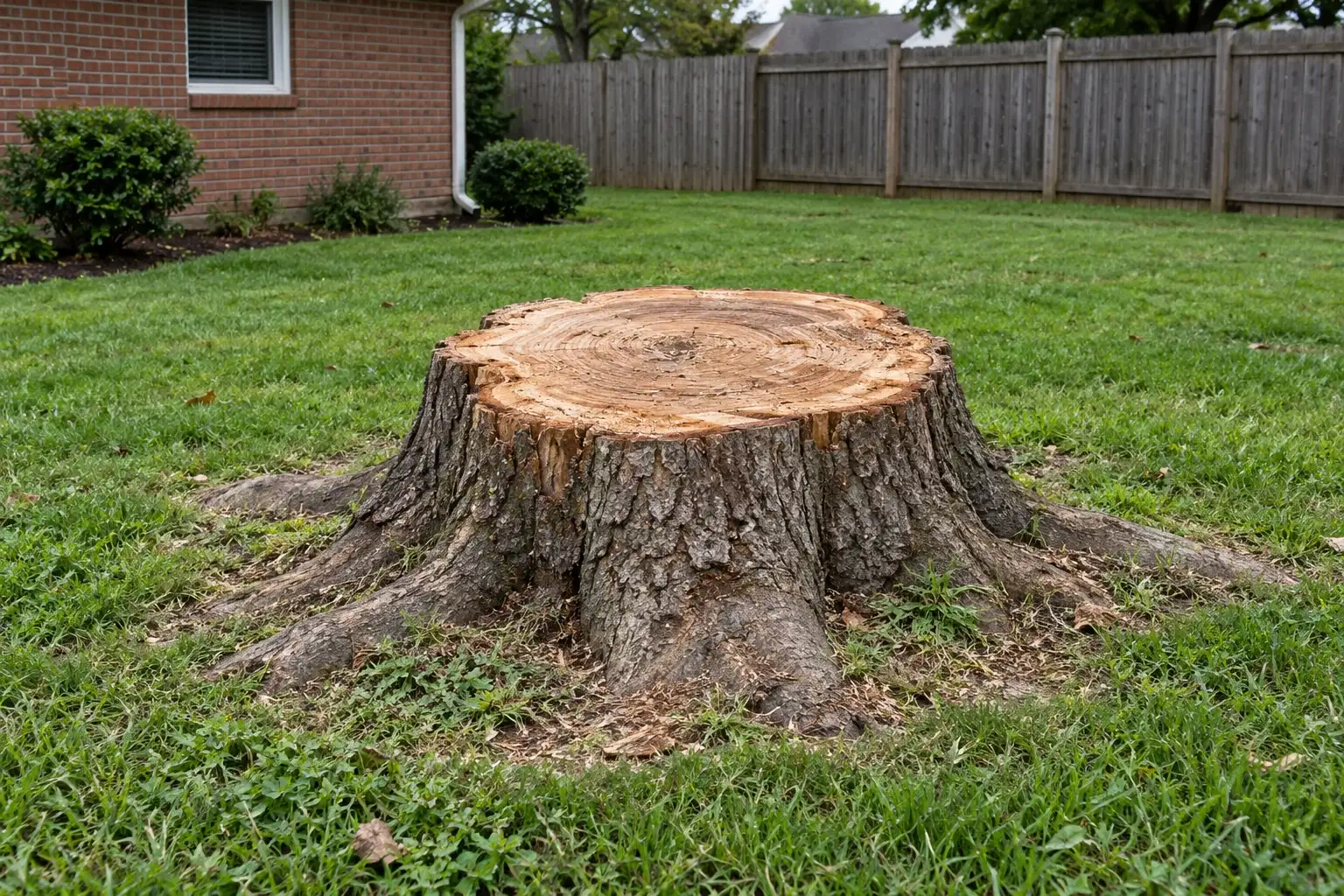
What pushes a stump to the high end: a wide hardwood stump, big surface roots to chase, a backyard with a narrow gate, heavy clay, or a stump close to a foundation. The stump grinding cost guide shows how to measure your stump for a quote.
After grinding: fill, soil and grass
Grindings make a decent mulch but a poor seed bed. For grass, rake out most of the chips, add topsoil, firm it down and seed or sod. In Columbia, warm-season grasses such as centipede, zoysia and Bermuda establish best from late spring into summer. Expect the spot to settle a little over the first year as the remaining roots decay. Top it up with soil when it does.