What makes tree work in Elgin different
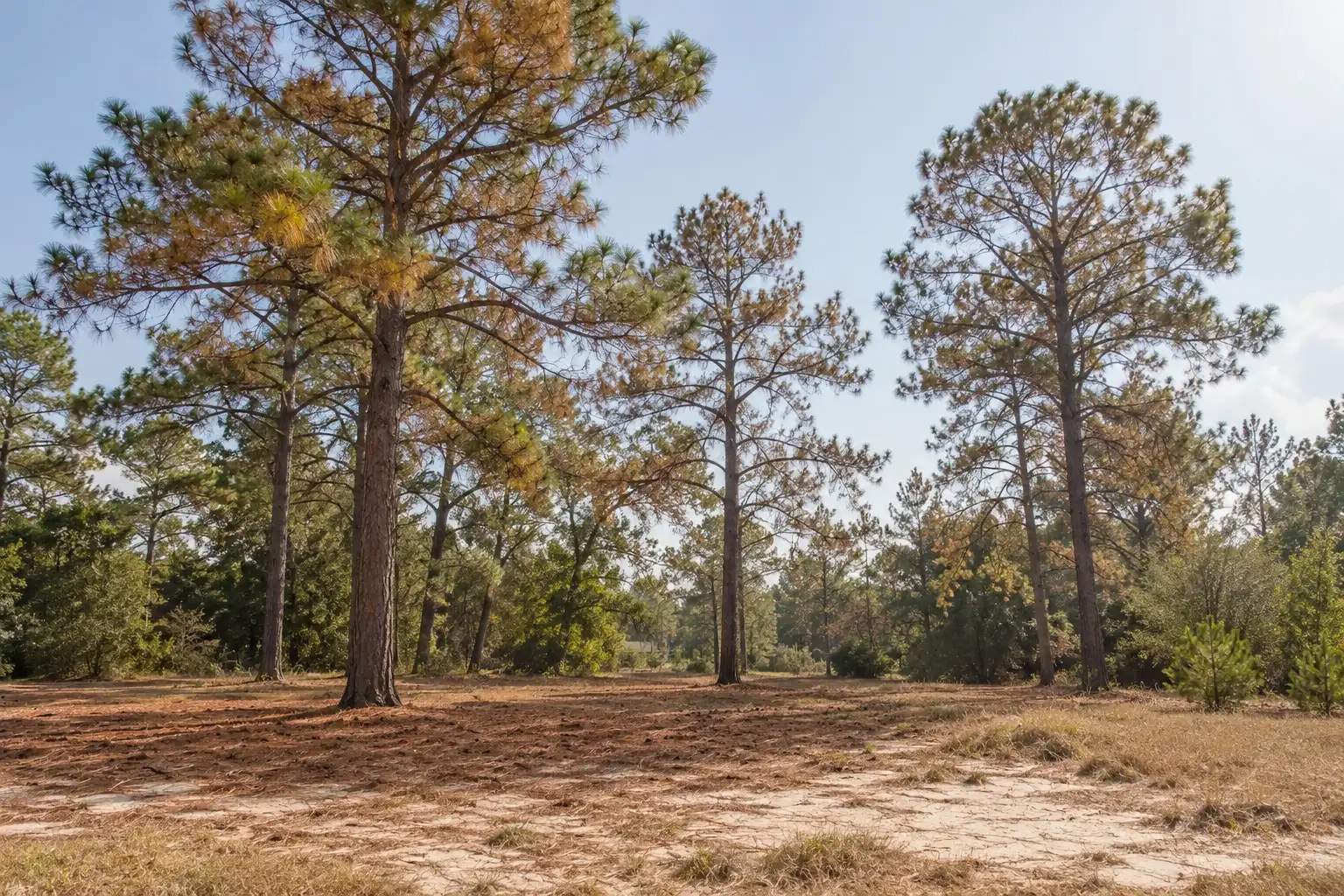
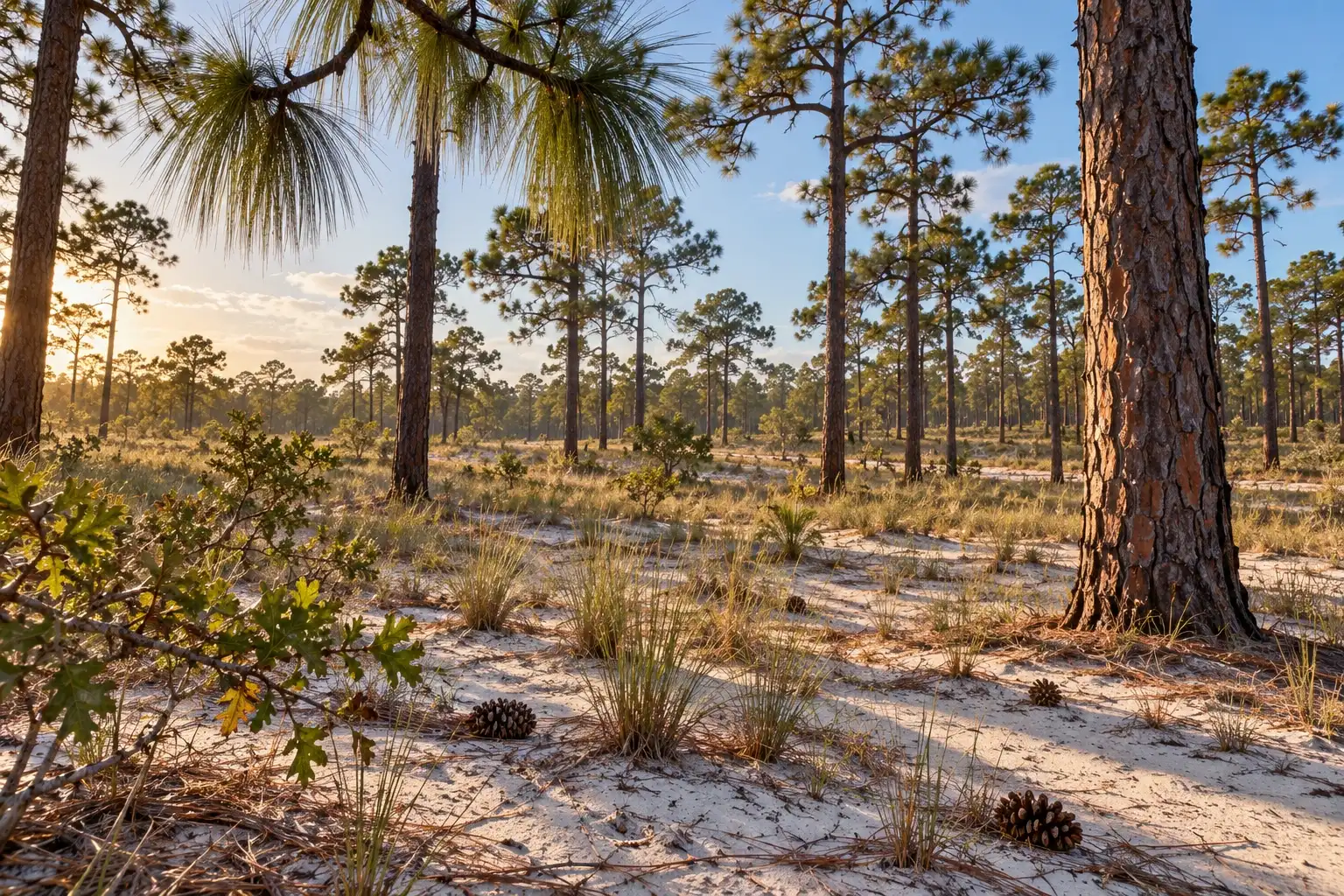
Elgin sits in western Kershaw County, about 22 miles northeast of downtown Columbia along US-1 and I-20, deep in the Sandhills. This is the ancient dune country of the Midlands: deep, pale, fast-draining sand that supports longleaf and loblolly pines, scrubby turkey oak and blackjack oak, and wiregrass in the open spots.
Sand is easy on equipment and fast for stump grinding. It is hard on trees in dry years.
Drought and bark beetles
Sand holds very little water. In a hot, dry summer, pines in Elgin yards can go weeks without enough moisture, and drought-stressed pines are the first targets for bark beetles. Three species do most of the damage (Clemson HGIC):
- Ips engraver beetles, which surge after dry summers and often kill pines from the top down;
- southern pine beetles, which can produce four to six generations a year in South Carolina and can kill even healthy pines when populations are high;
- black turpentine beetles, which attack the lower trunk, often after root damage.
The signs: pitch tubes on the bark, reddish boring dust in bark crevices and at the base, and crowns fading from green to yellow to red-brown. After the extremely dry summer of 2019, the USDA Forest Service reported increased Ips activity in Lexington and Richland counties.
Infested pines rarely recover. The best response is prompt removal, with the wood taken off the property, and a check of nearby pines for early signs.
Pines and wind on sand
Pines on deep sand root deeper than pines on the wet clay north of the Fall Line, so they uproot less often. Instead, in high wind, tall stressed pines on sand tend to snap mid-trunk or bend. A snapped top hung up in a neighboring tree is one of the most dangerous situations in tree work: it should be brought down by a professional, not pulled on from the ground.
Larger lots and scrub
Many Elgin properties are larger than suburban lots, with turkey oak, underbrush and young pines filling the spaces between mature trees. Forestry mulching clears that scrub, opens the ground and leaves healthy longleaf and loblolly standing, without burning.
Local cost notes
Most single removals in the Columbia area run about $400 to $1,800. Elgin’s sandy ground and good access often help keep costs in check, while tall dead pines that cannot be climbed safely push prices up. Stump grinding in sand is fast, though pine roots run long. See the pine removal page and the pine beetle guide.